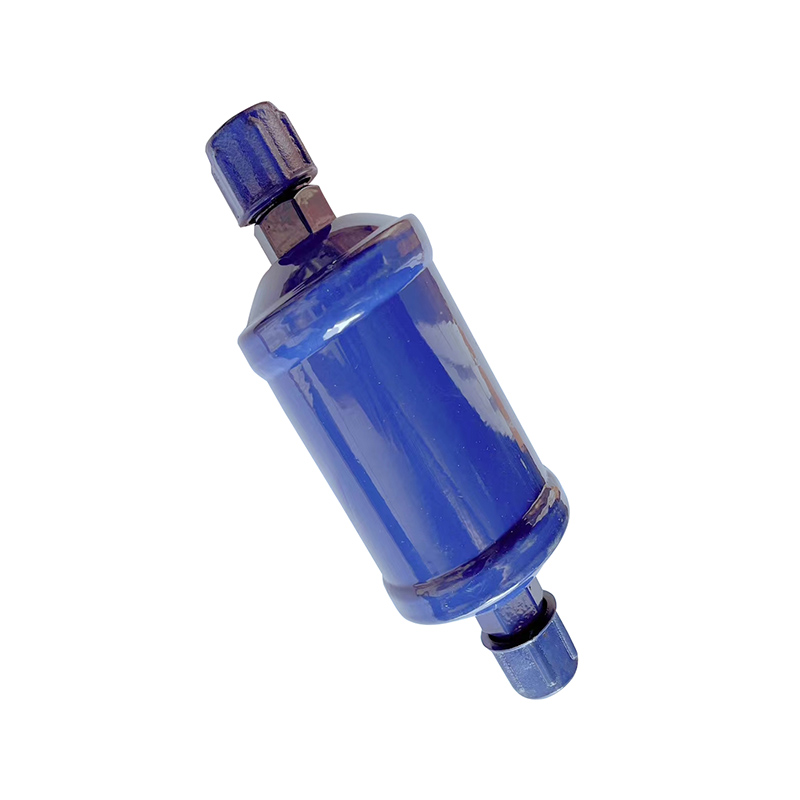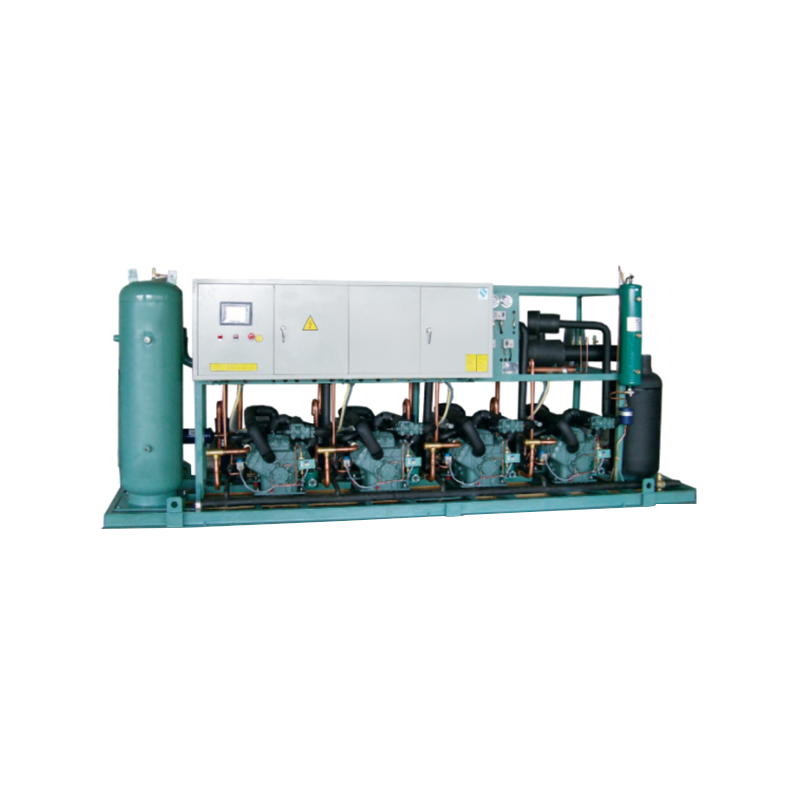
کندانسور چیست؟ تعریف اصلی
الف کندانسور مبدل حرارتی است که گرما را از بخار خارج می کند و آن را به حالت مایع تبدیل می کند - فرآیندی به نام تراکم. در شیمی، کندانسور به هر وسیله ای گفته می شود که گاز یا بخار را تا زمانی که به مایع تبدیل شود خنک می کند و جداسازی، تصفیه یا انتقال حرارت را امکان پذیر می کند. در زندگی روزمره، این اصطلاح اغلب به جزئی در سیستم تهویه مطبوع یا تبرید اشاره دارد که گرما را از مبرد به محیط بیرون دفع می کند.
چه در حال مطالعه شیمی آلی، طراحی سیستم های HVAC یا عیب یابی واحد AC منزل خود باشید، درک نحوه کار کندانسورها ضروری است. کندانسور بخشی از هر چرخه خنک کننده ای است که گرما از سیستم خارج می شود - بدون آن، نه تبرید و نه تقطیر امکان پذیر نخواهد بود.
تعریف کندانسور در شیمی
در شیمی، کندانسور قطعه ای از ظروف آزمایشگاهی یا تجهیزاتی است که برای خنک کردن بخارات به مایع در طی تقطیر، رفلاکس یا بازیافت حلال استفاده می شود. پرکاربردترین نوع مورد استفاده در آزمایشگاه های آموزشی در سراسر جهان است کندانسور لیبیگ - یک لوله شیشه ای مستقیم که توسط یک ژاکت بیرونی خنک شده با آب احاطه شده است. آب سرد از طریق ژاکت در جهت مخالف بخار جریان می یابد و کارایی تبادل حرارت را به حداکثر می رساند.
سایر انواع معمول کندانسور آزمایشگاهی عبارتند از:
- کندانسور گراهام - دارای یک سیم پیچ مارپیچ در داخل ژاکت برای تماس طولانی و خنک کننده کارآمدتر، ایده آل برای حلال های کم جوش.
- الفllihn (bulb) condenser - دارای یک سری برآمدگی در طول لوله داخلی برای افزایش سطح، مناسب برای واکنش های رفلاکس.
- کندانسور دیمروث - از یک مارپیچ داخلی استفاده می کند که مایع خنک کننده از طریق آن جریان می یابد. برای بخارات با جوش بالا بسیار کارآمد است.
- الفir condenser - یک لوله شیشه ای ساده بدون پوشش آب، که فقط برای ترکیبات با جوش بالا (بالای 150 درجه سانتیگراد) استفاده می شود که در آن خنک کننده هوای محیط کافی است.
در همه موارد، تعریف کندانسور شیمی یکسان است: وسیله ای که انرژی حرارتی را از بخار خارج می کند و باعث متراکم شدن آن به شکل مایع می شود .
کندانسور در تهویه مطبوع چیست؟
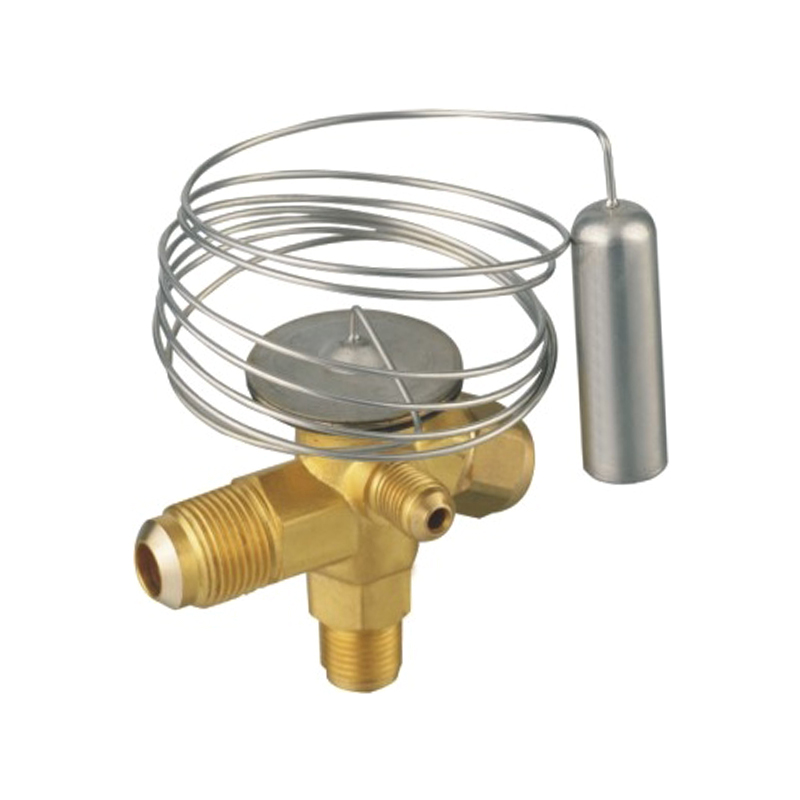
در یک سیستم تهویه مطبوع (AC)، کندانسور واحد بیرونی مسئول آن است انتشار گرمای جذب شده از داخل خانه به هوای بیرون . این یکی از چهار جزء کلیدی در چرخه تبرید، در کنار اواپراتور، شیر انبساط و کمپرسور است.
در اینجا نحوه قرار گرفتن آن در چرخه کامل AC آمده است:
- کمپرسور مبرد را تحت فشار قرار می دهد و دمای آن را به بالاتر از محیط (اغلب 60 تا 65 درجه سانتی گراد در سیستم های مسکونی) افزایش می دهد.
- بخار داغ و پرفشار مبرد وارد کویل کندانسور می شود.
- الف fan blows outdoor air across the condenser coil, removing heat from the refrigerant.
- مبرد خنک می شود و به مایعی با فشار بالا تبدیل می شود.
- مبرد مایع به سمت شیر انبساط و سپس به اواپراتور حرکت می کند تا گرمای داخل خانه را جذب کند - چرخه را دوباره شروع می کند.
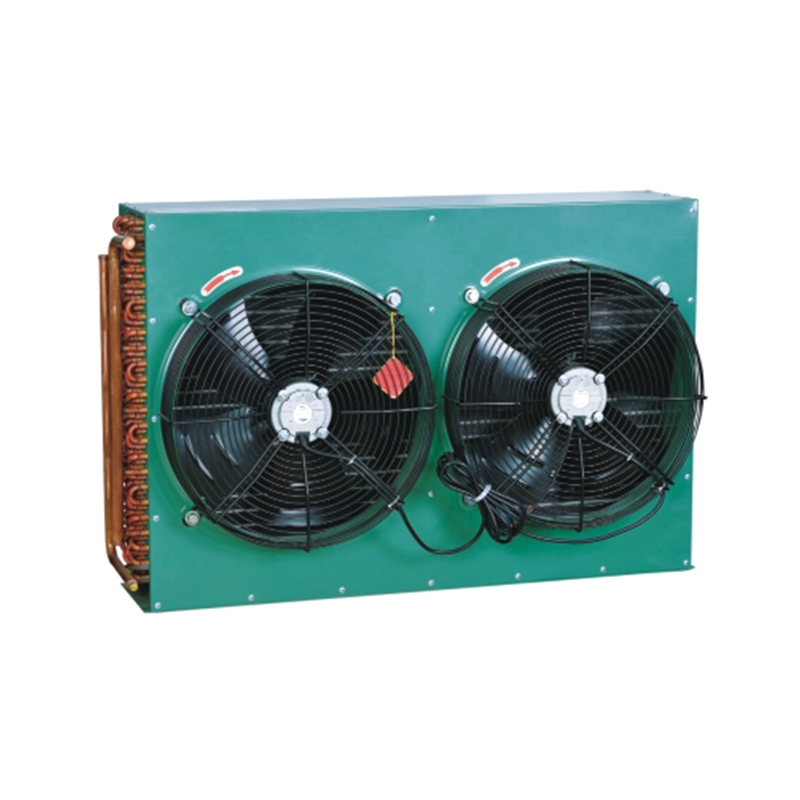
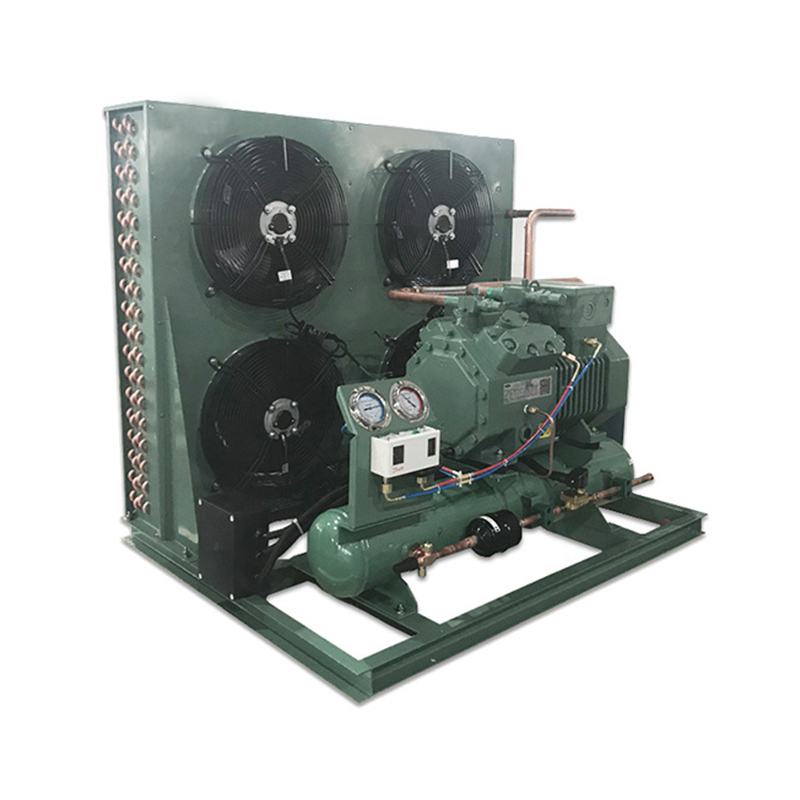
الف standard residential air conditioning condenser unit typically contains a سیم پیچ کندانسور، یک یا دو فن، کمپرسور و کنترل های الکتریکی ، همه در یک کابینت فلزی نصب شده در خارج از ساختمان قرار دارند.
ساخت کندانسور هوا خنک: اجزای کلیدی
را رایج ترین نوع کندانسور در سیستم های AC مسکونی و تجاری، کندانسور هوا خنک است . بر خلاف کندانسورهای آب خنک (که در چیلرهای صنعتی بزرگ استفاده می شود)، کندانسورهای هوا خنک از هوای محیط به عنوان محیط خنک کننده استفاده می کنند - بدون نیاز به زیرساخت آبی، که آنها را برای اکثر کاربردها بسیار کاربردی تر می کند.
را typical build of an air-cooled condenser includes the following components:
کویل کندانسور
معمولا از لوله مسی با پره های آلومینیومی (طراحی "پره و لوله")، سیم پیچ سطحی را فراهم می کند که مبرد از طریق آن جریان می یابد و گرما را از دست می دهد. یک واحد مسکونی معمولی از لوله های مسی 3/8 اینچی با پره هایی با فاصله 12 تا 20 پره در هر اینچ استفاده می کند. برخی از واحدهای مدرن از سیم پیچ های "میکرو کانالی" تمام آلومینیومی استفاده می کنند که سبک تر و در برابر خوردگی مقاوم تر هستند.
فن(های) کندانسور
الفxial fans draw air across the coil to maximize heat rejection. Residential units typically use one propeller-type fan with a موتور دارای قدرت بین 1/6 اسب بخار و 1/3 اسب بخار . واحدهای تجاری بزرگتر ممکن است از چند فن استفاده کنند. سرعت فن مستقیماً بر راندمان متراکم شدن تأثیر می گذارد - فن های با سرعت متغیر در واحدهای مدرن می توانند مصرف انرژی را تا 30٪ کاهش دهند.
کمپرسور
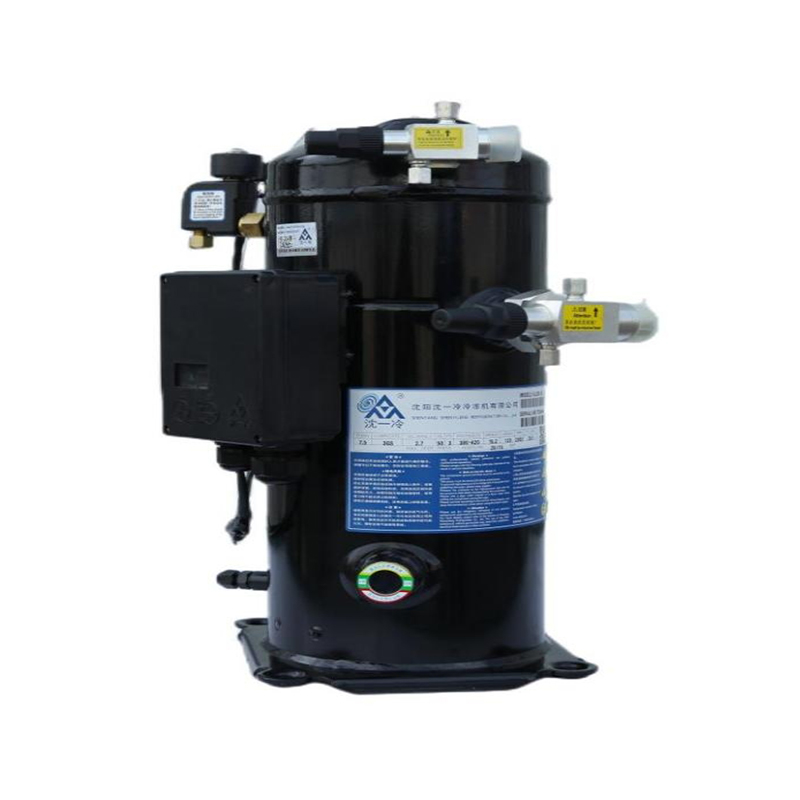
کمپرسور (که در داخل کابینت واحد چگالش نصب شده است) که اغلب "قلب" سیستم AC نامیده می شود، مبرد را تحت فشار قرار می دهد. واحدهای مدرن از کمپرسورهای اسکرول برای عملکرد بی صداتر و راندمان بالاتر استفاده می کنند، در حالی که سیستم های قدیمی ممکن است از کمپرسورهای رفت و برگشتی (پیستونی) استفاده کنند.
کابینه / مسکن
الف galvanized steel or aluminum enclosure protects internal components from weather. The top panel typically acts as the fan discharge plenum. Cabinet design affects airflow efficiency significantly.
کنترل های الکتریکی
شامل کلیدهای کنتاکتور، خازن (برای راه اندازی موتور) و قطع کننده مدار می باشد. در واحدهای اینورتر/سرعت متغیر، یک برد کنترل سرعت کمپرسور و فن را بر اساس تقاضای بلادرنگ مدیریت میکند.
| جزء | مواد | عملکرد اولیه |
|---|---|---|
| کندانسور Coil | مس / آلومینیوم | سطح تبادل حرارت برای مبرد |
| کندانسور Fan | تیغه های فلزی / پلاستیکی | هوا را روی سیم پیچ حرکت دهید تا گرما حذف شود |
| کمپرسور | مسکن فولادی | بخار مبرد را تحت فشار قرار دهید |
| کابینه | فولاد گالوانیزه | حفاظت از آب و هوا و جهت جریان هوا |
| کنترل های الکتریکی | مختلف | سوئیچینگ سیستم، راه اندازی موتور، حفاظت |
الفir-Cooled vs. Water-Cooled Condensers: Which Is Right for You?
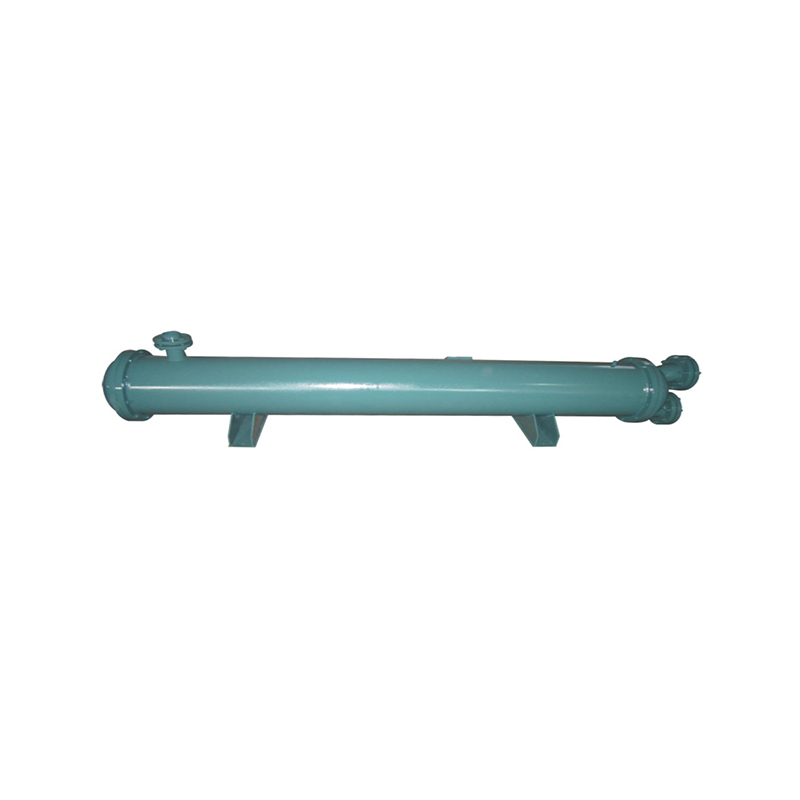
در حالی که کندانسورهای هوا خنک در مصارف مسکونی و تجاری سبک غالب هستند، کندانسورهای آب خنک در ساختمانهای تجاری بزرگ و کارخانههای صنعتی استاندارد هستند. تفاوت های کلیدی:
| ویژگی | الفir-Cooled | آب خنک شده |
|---|---|---|
| هزینه نصب | پایین تر | بالاتر (نیاز به لوله کشی) |
| بهره وری انرژی | خوب (EER 10-14) | بالاتر (EER 16-22) |
| استفاده از آب | هیچ کدام | قابل توجه (برج خنک کننده) |
| تعمیر و نگهداری | ساده تر | پیچیده تر (تصفیه آب) |
| بهترین برای | مسکونی، تجاری کوچک | ساختمان های بزرگ، مراکز داده |
| سطح نویز | متوسط (60-75 دسی بل) | پایین تر at the point of use |
برای اکثر صاحبان خانه و مشاغل کوچک، یک کندانسور هوا خنک انتخاب پیش فرض عملی و مقرون به صرفه است . حداقل نیازهای زیرساختی آن، تعمیر و نگهداری ساده، و قابلیت اطمینان ثابت شده در میلیون ها نصب در سراسر جهان، آن را به استاندارد صنعتی تبدیل کرده است.
چگالش چگونه کار می کند: فیزیک ساده شد
چگالش انتقال فاز از گاز (بخار) به مایع است. زمانی اتفاق میافتد که بخار در زیر آن خنک شود نقطه شبنم - دمایی که در آن بخار اشباع می شود - یا زمانی که فشرده می شود تا فشار و در نتیجه دمای چگالش آن افزایش یابد.
در یک سیستم AC، مبرد (معمولاً R-410A یا R-32 در واحدهای مدرن) به صورت بخار فوق گرم تقریباً وارد کندانسور می شود. 60-70 درجه سانتی گراد و فشار 25-30 بار . همانطور که از طریق سیم پیچ جریان می یابد و گرما را به هوای محیط از دست می دهد:
- اول، بخار فوق گرم تا دمای چگالش (اشباع) خنک می شود - به این حالت desuperheating می گویند.
- راn, at constant temperature and pressure, the refrigerant releases its latent heat of condensation and turns to liquid.
- در نهایت، مایع کمی ساب خنک می شود (چند درجه زیر اشباع خنک می شود) تا از تبخیر فلاش در خط مایع جلوگیری شود.
را amount of heat released during condensation is enormous — برای R-410A، گرمای نهان میعان تقریباً 200 کیلوژول بر کیلوگرم است. . به همین دلیل است که حتی یک کندانسور کوچک مسکونی می تواند ده ها هزار BTU را در ساعت جابجا کند.
نشانه هایی که کندانسور AC شما نیاز به توجه دارد
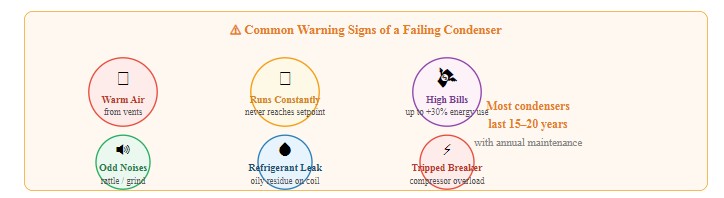
شکل 6: شش علامت هشدار دهنده کلیدی مبنی بر اینکه کندانسور AC شما ممکن است به تعمیر یا تعویض نیاز داشته باشد.
الف failing or dirty condenser directly degrades your air conditioning system's performance and efficiency. Watch for these warning signs:
- هوای گرم از دریچه های داخلی - سیستم نمی تواند گرمای کافی را دفع کند، بنابراین چرخه مبرد کمتر موثر می شود.
- الفC system runs constantly - تلاش برای رسیدن به نقطه تنظیم به دلیل کاهش راندمان کندانسور.
- قبوض برق بالاتر - یک سیم پیچ کندانسور کثیف می تواند مصرف انرژی را افزایش دهد تا 30% به گفته وزارت انرژی ایالات متحده
- صداهای غیرمعمول - صدای تق تق ممکن است نشان دهنده آسیب دیدن تیغه فن باشد. سنگ زنی می تواند نشان دهنده خرابی بلبرینگ ها باشد.
- مبرد نشت می کند - باقی مانده روغن قابل مشاهده در اطراف اتصالات سیم پیچ یا کاهش خنک کننده علیرغم کارکرد دستگاه.
- قطع کننده های مدار - یک کمپرسور اضافه بار (اغلب به دلیل مسدود شدن یا کثیف شدن کندانسور ایجاد می شود) جریان بیش از حد را می کشد.
الفnnual professional maintenance, including coil cleaning and inspection, is the most effective way to extend condenser life. بیشتر کندانسورهای AC مسکونی 15 تا 20 سال عمر می کنند با مراقبت مناسب
انتخاب، نصب و نگهداری کندانسور AC شما
این که آیا در حال تعویض یک واحد قدیمی هستید یا یک کندانسور را برای نصب جدید انتخاب میکنید، چند عامل کلیدی تصمیمگیری میکنند:
- ظرفیت (BTU/ton): کندانسورهای مسکونی معمولاً 1.5 تا 5 تن (18000-60000 BTU/hr) درجه بندی می شوند. بزرگی بیش از حد پول را هدر می دهد. کوچک بودن باعث ایجاد مشکلاتی در زمان اجرا و راحتی می شود. محاسبه دستی بار J استاندارد حرفه ای برای اندازه است.
- رتبه SEER: را Seasonal Energy Efficiency Ratio measures annual cooling efficiency. الفs of 2023, new units in the U.S. must meet at least SEER 14.3 (South/Southwest) or 13.4 (North) . واحدهای با راندمان بالاتر (SEER2 18-26) هزینه اولیه بیشتری دارند اما به طور قابل توجهی در قبوض برق صرفه جویی می کنند.
- نوع مبرد: واحدهای جدید از R-410A یا R-32/R-454B جدیدتر (پتانسیل کمتر گرمایش جهانی) استفاده می کنند. در صورت انجام تعویض جزئی، سازگاری با واحد داخلی موجود خود را تأیید کنید.
- قرار دادن: کندانسور را در یک منطقه سایه دار با حداقل 24 اینچ فاصله از همه طرف برای جریان هوای کافی قرار دهید. از قرار دادن آن در نزدیکی دریچه های خشک کن یا مناطقی که زباله در آن جمع می شود خودداری کنید.
کارهای تعمیر و نگهداری معمولی که هر صاحب خانه می تواند انجام دهد عبارتند از: پاک نگه داشتن ناحیه اطراف واحد از پوشش گیاهی (حفظ فاصله 2 فوتی)، شستشوی سالانه باله های سیم پیچ با شلنگ باغبانی، و تعویض یا تمیز کردن فیلتر هوا در واحد داخلی به صورت ماهانه در زمان اوج استفاده. برای تمیز کردن کویل با محلول های شیمیایی، کار با مبرد یا عیب یابی الکتریکی، همیشه با یک تکنسین HVAC دارای مجوز .
سوالات متداول درباره کندانسورها
تفاوت بین کندانسور و اواپراتور چیست؟
در یک سیستم AC، اواپراتور گرما را از داخل خانه جذب می کند (خنک کردن فضای شما) در حالی که کندانسور این گرما را در فضای باز آزاد می کند . آنها دو طرف یک حلقه تبرید هستند: اواپراتور = گرما در داخل، کندانسور = گرما خارج می شود.
چرا گاهی به جای کندانسور به آن می گویند «معمولا»؟
"Condenser" یک غلط املایی رایج است. املای صحیح انگلیسی است "کندانسور" در همه زمینه ها - HVAC، شیمی، و الکترونیک. املای جایگزین گهگاه در متون قدیمی یا زمینه های غیر انگلیسی ظاهر می شود اما استاندارد نیست.
آیا می توانم AC خود را بدون فن کندانسور کار کنم؟
نه - یا حداقل، نه با خیال راحت. بدون فن، کویل کندانسور نمی تواند گرما را به اندازه کافی دفع کند. فشار سیستم به سرعت افزایش می یابد و کلیدهای قطع فشار بالا را راه اندازی می کند. کارکردن کمپرسور در این شرایط خطراتی دارد آسیب دائمی کمپرسور ، که معمولاً گران ترین جزء برای جایگزینی است (800-2500 دلار برای واحدهای مسکونی).
یک کندانسور AC هر چند وقت یکبار باید تمیز شود؟
الفt minimum, یک بار در سال قبل از فصل سرما . در محیط هایی با شاخ و برگ های سنگین، درختان پنبه ای یا گرد و غبار زیاد، تمیز کردن هر 6 ماه توصیه می شود. گرفتگی سیم پیچ کندانسور می تواند هزینه های عملیاتی را 10 تا 30 درصد افزایش دهد.
رایج ترین نوع کندانسور در سیستم های AC خانگی چیست؟
را کندانسور پره و لوله هوا خنک رایج ترین نوع مورد استفاده در سیستم تهویه مطبوع منازل مسکونی در سراسر جهان است. این لولههای مسی را با پرههای آلومینیومی ترکیب میکند و به موتور فن متکی است تا هوای بیرون را در سراسر سطح کویل فشار دهد.
آیا کندانسور کل واحد AC در فضای باز است؟
از نظر فنی، خیر - کل کابینت فضای باز نامیده می شود واحد تغلیظ ، که کویل کندانسور، فن، کمپرسور و کنترل ها را در خود جای داده است. با این حال، در استفاده متداول، اکثر صاحبان خانه و تکنسین ها به واحد بیرونی به سادگی به عنوان "کندانسور" اشاره می کنند، و این استفاده غیررسمی به طور گسترده در صنعت قابل درک است.
کندانسور در الکترونیک چیست؟
در الکترونیک، "کندانسور" یک اصطلاح قدیمی برای خازن - قطعه ای که بار الکتریکی را ذخیره می کند. این استفاده به قرن 19 برمی گردد و به ندرت در مهندسی الکترونیک مدرن استفاده می شود، اگرچه در برخی از برچسب های تجهیزات قدیمی (مانند "میکروفون های کندانسور" که از مبدل های مبتنی بر خازن استفاده می کنند) ادامه دارد.