انتخاب هوای مناسب کمپرسور به دو عدد اصلی می رسد: CFM (فوت مکعب در دقیقه) و PSI (پوند بر اینچ مربع) . آنها را با نیازهای ابزار خود مطابقت دهید، یک بافر ایمنی 25 تا 30٪ اضافه کنید، و اندازه کمپرسور خود را خواهید داشت. برای اکثر کارگاه های خانگی، الف مخزن 6-10 گالن در 90 PSI و 4-5 CFM کافی است. کاربردهای صنعتی یا رنگ آمیزی اسپری معمولاً نیاز دارند 20 CFM در 40–90 PSI . برای تفکیک کامل به ادامه مطلب بروید.

چگونه یک کمپرسور هوا را اندازه کنیم: فرمول اصلی
اندازه یک کمپرسور هوا حدس و گمان نیست - از یک فرآیند منطقی پیروی می کند. شما باید سه چیز را شناسایی کنید: ابزارهایی که اجرا می کنید، میزان جریان هوای مورد نیاز هر کدام و فشار مورد نیاز هر کدام. سپس آن اعداد را به درستی ترکیب کنید.
فهرست همه ابزارهای همزمان
هرگز برای یک ابزار اندازه نکنید. اگر قصد دارید دو ابزار را همزمان اجرا کنید - مثلاً یک میخکوب قاب بندی و یک تفنگ دمنده - الزامات CFM آنها را با هم اضافه کنید. اکثر ابزارها تقاضای CFM خود را روی برچسب یا در دفترچه راهنما فهرست می کنند.
یک حاشیه ایمنی 25 تا 30 درصد اضافه کنید
کمپرسورها با گذشت زمان تخریب می شوند و دمای محیط بر عملکرد تأثیر می گذارد. کل نیاز CFM خود را در 1.25-1.30 ضرب کنید برای اطمینان از اینکه دستگاه هرگز با ظرفیت 100٪ به طور مداوم کار نمی کند.
رتبه بندی PSI را تأیید کنید
حداکثر PSI کمپرسور شما باید از بالاترین فشاری که استفاده می کنید بیشتر باشد. بیشتر ابزارهای پنوماتیکی بین دو کار می کنند 70-120 PSI . کمپرسورهای تبرید صنعتی و تجهیزات فرآیند ممکن است در محدودههای فشار کاملاً متفاوتی کار کنند.
معیارهای انتخاب کمپرسور: آنچه در واقع مهم است
فراتر از CFM و PSI، چندین معیار دیگر تعیین می کنند که آیا یک کمپرسور واقعاً برای کاربرد شما مناسب است یا خیر.
- چرخه وظیفه: درصد زمانی که کمپرسور می تواند بدون گرم شدن بیش از حد کار کند. واحدهای صنعتی اغلب چرخه کاری 100% را ارائه می دهند. واحدهای مصرف کننده ممکن است 50-75٪ باشد.
- اندازه مخزن: مخازن بزرگتر هوای بیشتری را ذخیره میکنند و افت فشار را در طول انفجارهای با تقاضای بالا هموار میکنند. یک مخزن 60 گالن برای یک بدنه فروشی مناسب است. یک مخزن 6 گالن برای نیلینگ براد خوب است.
- تک مرحله ای در مقابل دو مرحله ای: کمپرسورهای تک مرحله ای هوا را یک بار فشرده می کنند و تا 150 PSI را تحویل می دهند. مدل های دو مرحله ای دوبار فشرده می شوند و می توانند 175 PSI را با راندمان بهتر برای استفاده پایدار ارائه دهند.
- منبع تغذیه: برقی (120 ولت یا 240 ولت) برای استفاده در مغازه های داخلی؛ گازسوز برای محل های کار در فضای باز/از راه دور.
- قابلیت حمل: کمپرسورهای پنکیک و هات داگ قابل حمل هستند. واحدهای عمودی و صنعتی ساکن هستند.
- روغن کاری شده در مقابل بدون روغن: واحدهای روغن کاری شده بی صداتر و ماندگارتر هستند. واحدهای بدون روغن نیاز به نگهداری کمتری دارند و برای کاربردهای هوای پاک مانند فرآوری مواد غذایی یا پزشکی مناسب هستند.

درک ظرفیت کمپرسور هوا و نرخ جریان
دو اندازه گیری توانایی خروجی کمپرسور را مشخص می کند: CFM جابجایی (حداکثر نظری) و CFM تحویل داده شد (خروجی واقعی در یک فشار معین). همیشه CFM تحویل شده را با PSI مورد نیاز ابزارهای شما مقایسه کنید - نه حداکثر تئوری.
با افزایش فشار، CFM تحویلی کاهش می یابد. یک کمپرسور دارای امتیاز 5.0 CFM @ 90 PSI فقط ممکن است تحویل دهد 4.2 CFM @ 120 PSI . همیشه برگه مشخصات را در فشار کاری خود بررسی کنید.
| PSI عامل | CFM تحویل داده شده (تقریبا) | مورد استفاده معمولی |
|---|---|---|
| 40 PSI | 6.5 CFM | اسپری نقاشی، باد کردن |
| 90 PSI | 5.0 CFM | آچار ضربه ای، میخکوب، سنباده |
| 120 PSI | 4.2 CFM | چکش تراشه، ابزار با PSI بالا |
| 150 PSI | 3.6 CFM | مهر زنی صنعتی، ابزار تخصصی |
برنامه ها و الزامات CFM/PSI
ابزارهای مختلف نیازهای هوای بسیار متفاوتی دارند. استفاده از کمپرسور کم حجم منجر به افت فشار، عملکرد ضعیف ابزار و فرسودگی موتور می شود. در اینجا یک مرجع عملی وجود دارد:

| ابزار / برنامه | CFM مورد نیاز است | PSI مورد نیاز است | تانک پیشنهادی |
|---|---|---|---|
| برد نایلر | 0.3 - 1.0 | 70-90 | 2 تا 6 گرم |
| میخکوب قاب | 2.2 - 2.8 | 100 - 130 | 6 تا 15 گرم |
| آچار ضربه ای (1/2 اینچ) | 3.0 - 5.0 | 90 - 100 | 20-30 گرم |
| سنباده هوا (DA) | 6.0 - 9.0 | 90 | 30-60 گرم |
| تفنگ اسپری رنگ (HVLP) | 10-25 | 29-45 | 20 تا 60 گرم |
| سندبلستر | 10-19 | 50 - 100 | 60-80 گرم |
| برش پلاسما (تغذیه شده با هوا) | 4.0 - 8.0 | 60 - 100 | 20-30 گرم |
| باد لاستیک | 1.5 - 2.0 | 30-35 | 1-6 گرم |
جریان هوای مناسب برای کمپرسور من چیست؟
جریان هوا مناسب است کل تحویل CFM در PSI مورد نیاز شما ، همه ابزارهایی که به طور همزمان اجرا می شوند به علاوه بافر ایمنی شما را در نظر بگیرید.
مثال: یک آچار ضربه ای (5.0 CFM @ 90 PSI) و یک تفنگ دمنده (1.0 CFM @ 90 PSI) را همزمان اجرا می کنید.
- کل CFM مورد نیاز: 5.0 1.0 = 6.0 CFM
- با بافر 25%: 6.0 × 1.25 = حداقل 7.5 CFM
- حداقل یک کمپرسور ارائه دهنده انتخاب کنید 7.5 CFM @ 90 PSI
یک دستگاه دو مرحلهای 80 گالن و 5 اسب بخاری که 14 CFM @ 90 PSI را ارائه میکند، در اینجا یک انتخاب راحت خواهد بود و فضای کافی برای افزودن ابزارهای آینده فراهم میکند.
چه مقدار فشار نیاز دارم؟
PSI کار کمپرسور را با سختترین ابزار خود مطابقت دهید - اما بیش از حد مشخص نکنید. کارکردن ابزار در فشار بیش از حد باعث تسریع سایش و هدر رفتن انرژی می شود.
میخکوب، باد کردن، ایربراش
آچار ضربه ای، جغجغه، تفنگ اسپری
چکش خردکن، سندبلاست، صنعتی
همیشه از کمپرسور اطمینان حاصل کنید حداکثر PSI امتیاز حداقل 20-25٪ بالاتر است بیش از فشار کاری مورد نیاز شما، به مخزن اجازه می دهد تا تحویل ثابت را بدون چرخش بیش از حد موتور حفظ کند.
چه اندازه کمپرسور هوا برای استفاده خانگی نیاز دارم؟

برای یک صاحب خانه معمولی - باد کردن لاستیک ها، زدن یک تفنگ میخکوبی، رنگ کردن یک نرده - a کمپرسور پنکیک 6 گالن با حداکثر 150 PSI، ارائه 2.6 CFM @ 90 PSI بیش از اندازه کافی است مدل هایی مانند این حدود 30 پوند وزن دارند و با یک پریز استاندارد 120 ولت کار می کنند.
اگر پروژههای سنگینتری را انجام میدهید - قاببندی، اجرای متناوب میخکوب و آچار ضربهای - به یک کمپرسور عمودی 20 گالن با 4-5 CFM @ 90 PSI . این اکثریت قریب به اتفاق کارهای DIY جدی را بدون بخش عمده ای از یک واحد فروشگاهی حرفه ای پوشش می دهد.
کمپرسور هوا چه اندازه برای رنگ آمیزی اسپری؟

رنگآمیزی با اسپری یکی از کاربردیترین کاربردهای CFM است. نوع تفنگ اسپری نیازهای شما را تعیین می کند:
- تفنگ های HVLP (فشار کم حجم بالا): نیاز به 10 تا 25 CFM با 25 تا 45 PSI. اینها بهترین پرداخت را ارائه می دهند اما بیشترین جریان هوا را می طلبند.
- تفنگ های اسپری معمولی: نیاز به 5-15 CFM در 40-90 PSI.
- اسلحه های تاچ آپ / ایربراش: 0.3-1.0 CFM در 10-30 PSI.
برای رنگ آمیزی تمام خودکار بدنه با تفنگ HVLP، حداقل به a نیاز دارید مخزن 60 گالن، موتور 5 تا 6 اسب بخار و 12 تا 15 CFM @ 40 PSI . راه اندازی کمپرسوری که نمی تواند CFM مورد نیاز را حفظ کند، باعث نقص در پایان می شود - تف کردن، بافت پوست پرتقال و دویدن.
مرجع ماشین حساب تبدیل حجم
مشخصات جریان هوا و حجم در واحدهای مختلف بسته به منطقه سازنده منتشر می شود. از این مرجع تبدیل سریع استفاده کنید:
| از | به | ضرب در |
|---|---|---|
| CFM | L/min | 28.317 |
| L/min | CFM | 0.03531 |
| m³/min | CFM | 35.315 |
| PSI | نوار | 0.0689 |
| نوار | PSI | 14.504 |
| گالن (مخزن) | لیتر | 3.785 |
عوامل دیگری که باید در انتخاب کمپرسور در نظر گرفت
دمای محیط و ارتفاع
محیط های گرم باعث کاهش راندمان موتور و افزایش سایش می شود. در ارتفاعات بالای 3000 پا، هوا چگالی کمتری دارد - کاهش خروجی CFM تقریباً 3-4٪ در هر 1000 فوت ارتفاع بالاتر از سطح دریا واحدی با درجه 10 CFM در سطح دریا تقریباً 8.8 CFM را در 3000 فوت ارائه می دهد.
رطوبت و کیفیت هوا
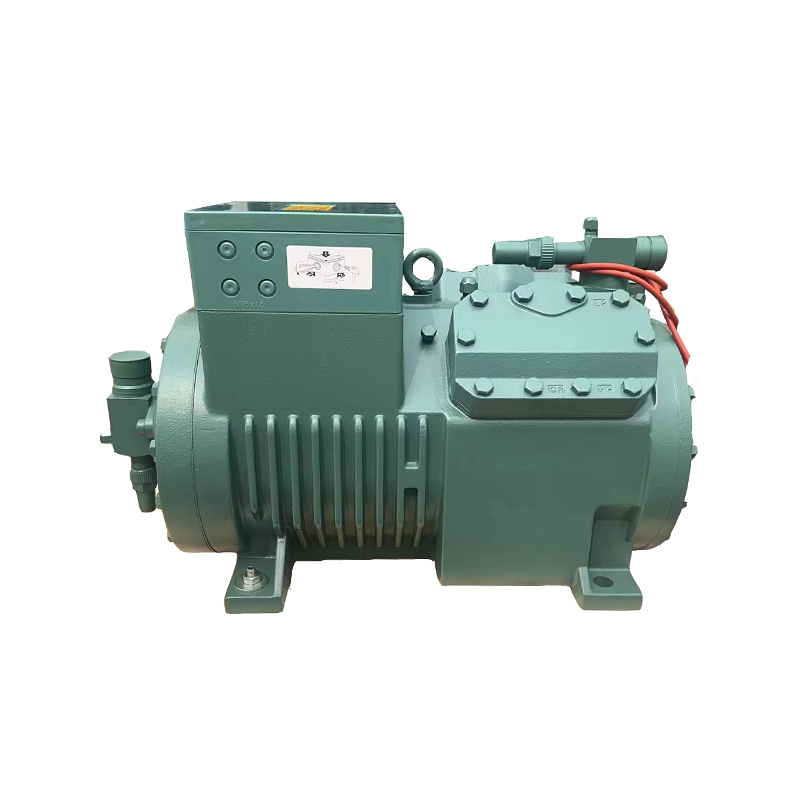
تمام هوای فشرده حاوی رطوبت است. برای رنگ آمیزی اسپری، سندبلاست یا برش پلاسما، رطوبت کار را آلوده می کند. نصب کنید جداکننده آب داخلی و فیلتر خشک کن پایین دست تانک برای سیستم های کمپرسور تبرید، رطوبت باعث آسیب بسیار جدی تری می شود - تشکیل اسید، خوردگی و خرابی دریچه.
سطح نویز
اکثر کمپرسورهای مصرفی در حین کار 75 تا 90 دسی بل تولید می کنند. اگر دستگاه در داخل خانه یا نزدیک به فضاهای اشغال شده است، به دنبال مدل هایی با درجه کمتر از 70 دسی بل باشید یا از محفظه های میرایی صدا استفاده کنید. کمپرسورهای پیچشی یا چرخشی صنعتی به میزان قابل توجهی بی صداتر از انواع پیستونی برای خروجی مشابه هستند.
الزامات برق
کمپرسورهای بالاتر از 2 اسب بخار معمولاً به مدار اختصاصی 240 ولت نیاز دارند. یک کمپرسور 5 اسب بخار تقریباً می کشد 22-26 آمپر در هنگام راه اندازی - بسیار فراتر از یک مدار خانگی استاندارد 15A. قبل از خرید ظرفیت تابلو برق خود را بررسی کنید.